Heart rate
How many times your heart beats each minute.
How: the optical sensor shines light into your skin and watches how much bounces back as blood pulses through.
Optical heart sensorAll day
The specification
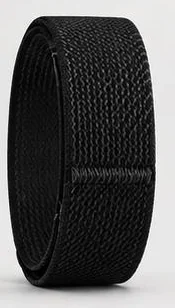
A soft woven band around a small sensor module. Designed for day-and-night wear, it tracks signals from your heart, skin and movement and explains them on your phone. There's no screen, on purpose.
In development · figures are targets for the first production run
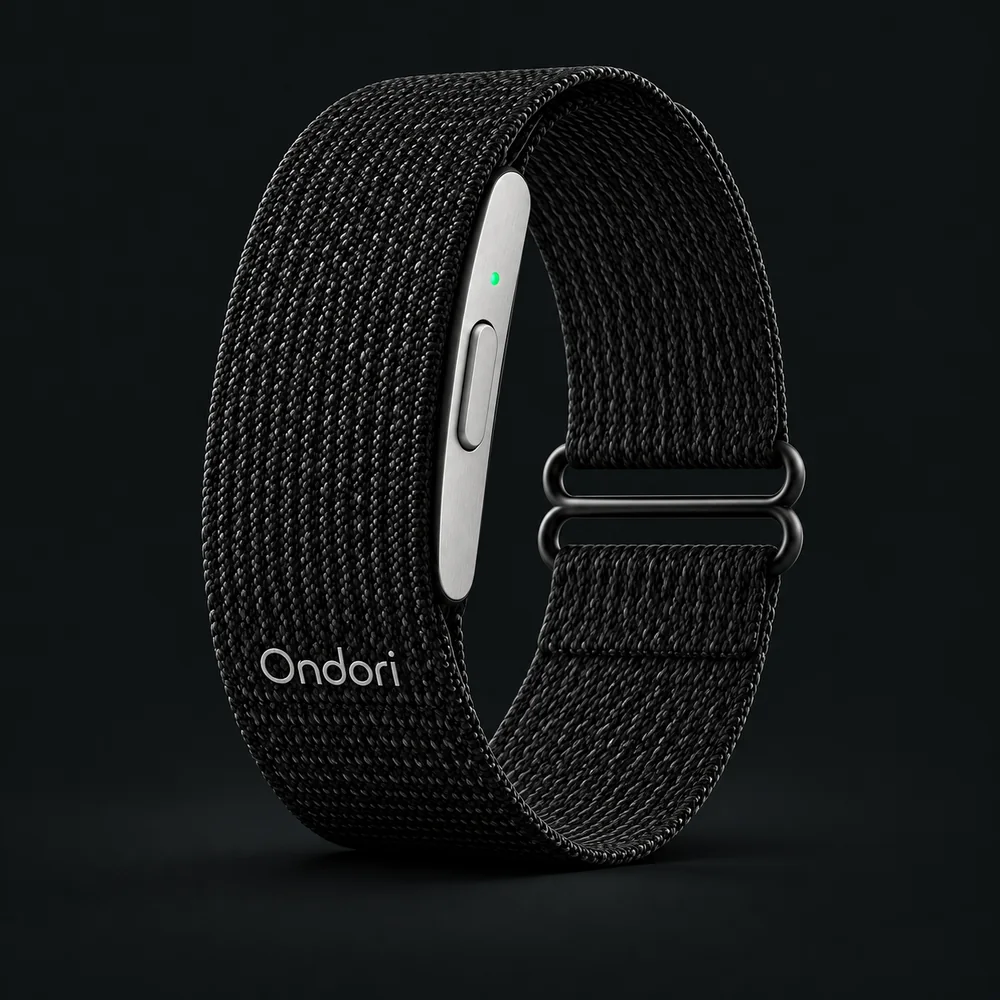
What's inside
The target mid-tier configuration for Ondori's first version. Items marked to be confirmed are waiting on the manufacturer's measured figures.
What it measures
The band reads a handful of signals directly. Ondori's app turns them into the scores you'll actually use.
Read by the bandWorked out by the app from those readings
How many times your heart beats each minute.
How: the optical sensor shines light into your skin and watches how much bounces back as blood pulses through.
Your heartbeats aren't evenly spaced. HRV is the small variation in time between them. Trends are most useful against your personal baseline, alongside how you feel and train.
How: timed beat to beat from the optical signal, overnight while you're still.
A steady heart rate taken while you sleep. Changes from your usual range can have many factors, including training, stress, temperature, illness and medication.
How: taken from your heart rate during sleep.
A wellness estimate of the share of haemoglobin carrying oxygen. Values can be lower at altitude, and movement, circulation, skin temperature and other factors can affect accuracy.
How: the optical sensor compares how your blood absorbs red and infrared light.
Your wrist skin temperature, shown as a change from your own baseline rather than a single reading, because shifts tell you more than the number.
How: a skin-contact sensor, read at regular intervals.
Your night split into awake, light, deep and REM sleep, plus how long you slept and how often you woke.
How: worked out from how you move and how your heart rate changes through the night.
How much you moved, and roughly how far.
How: the motion sensor counts steps; distance is estimated from your steps and stride. There's no GPS.
The calories you burned by moving, on top of what your body uses at rest.
How: estimated from your heart rate and movement, with your age, height and weight.
How hard a workout, or a whole day, worked your heart. 0 is a lazy Sunday; the high teens and beyond take a race or a mountain.
How: built up from the time you spend at raised heart rates, relative to your own maximum and resting rates.
A training-readiness estimate from your recent signals. A high or low score adds context; it is not a medical instruction.
How: your overnight HRV and resting heart rate, compared with your own baseline.
How far your heart rate falls in the minute after you stop a hard effort. Faster recovery often accompanies better fitness, but the effort and conditions matter.
How: measured from heart rate at the end of a session.
An electrocardiogram: a recording of the electrical signal of your heartbeat, intended here as a wellness reference rather than a diagnosis.
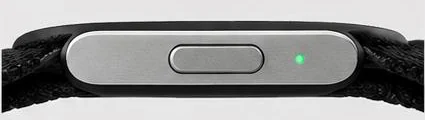
How: a single-lead reading, taken on demand by touching the module. Planned for the second version.
From every side
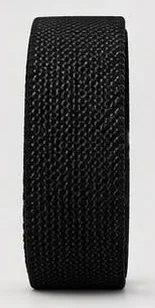
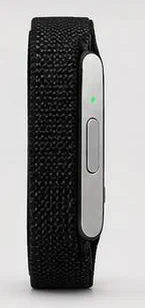
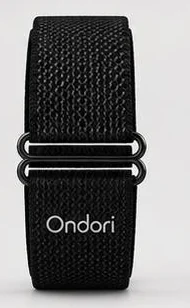
The sensor module sits on the side of the band, so the face of your wrist stays plain. The logo goes on the clasp side.

Two versions
Straight answers
Not even the time. That's the point.
Neither version measures it.
Distance comes from your steps. Carry your phone if you want a mapped route.
Readings are for wellness and reference, not for diagnosing or treating anything.
Join the waitlist. We'll write when there's news, and nothing else.
Ondori is in development. Specifications are targets for the first production run and may change before launch. Ondori is a wellness product, not a medical device: its readings are for reference and aren't intended to diagnose, treat or prevent any condition. Talk to a doctor about any health concern.